Soil Amendment


5.0 Rating
Soil Health and Amendment Services
Princeton’s soil varies significantly across neighborhoods, and understanding what you’re working with makes the difference between plants that thrive and plants that merely survive. I’ve tested soil in the Western Section that’s rich and loamy, and I’ve worked with compacted clay near newer developments that needs serious amendment before it supports healthy growth. Soil work isn’t glamorous, but it’s foundational to everything else your landscape does.
Soil Testing and Analysis
Before amending soil, we need to know what we’re correcting. Testing reveals pH levels, nutrient deficiencies, and organic matter content. Princeton’s native soil tends toward acidic, which some plants love and others struggle with. We use test results to create targeted amendment plans rather than applying generic treatments that might not address your actual conditions.
Organic Matter and Compost Integration
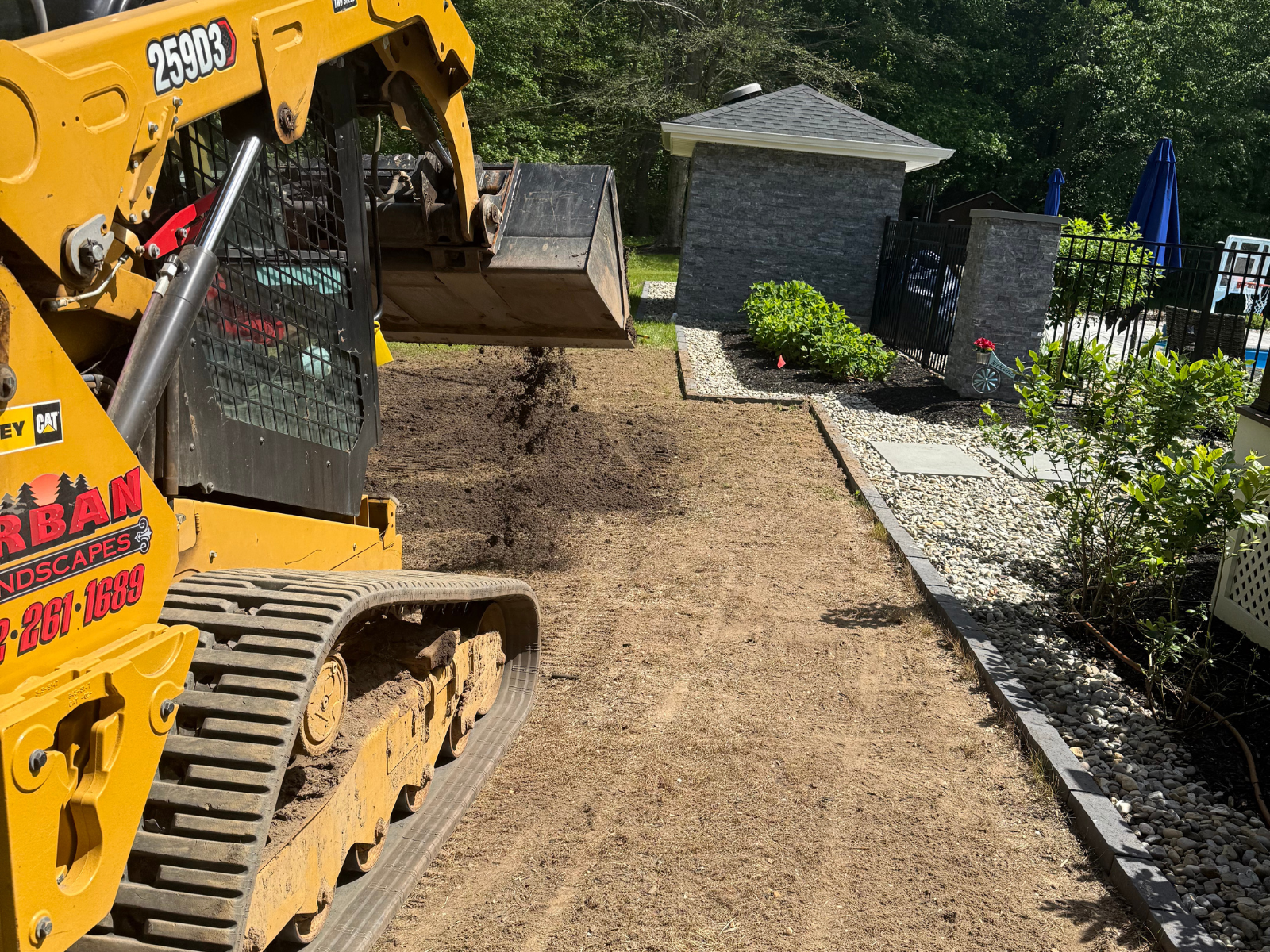
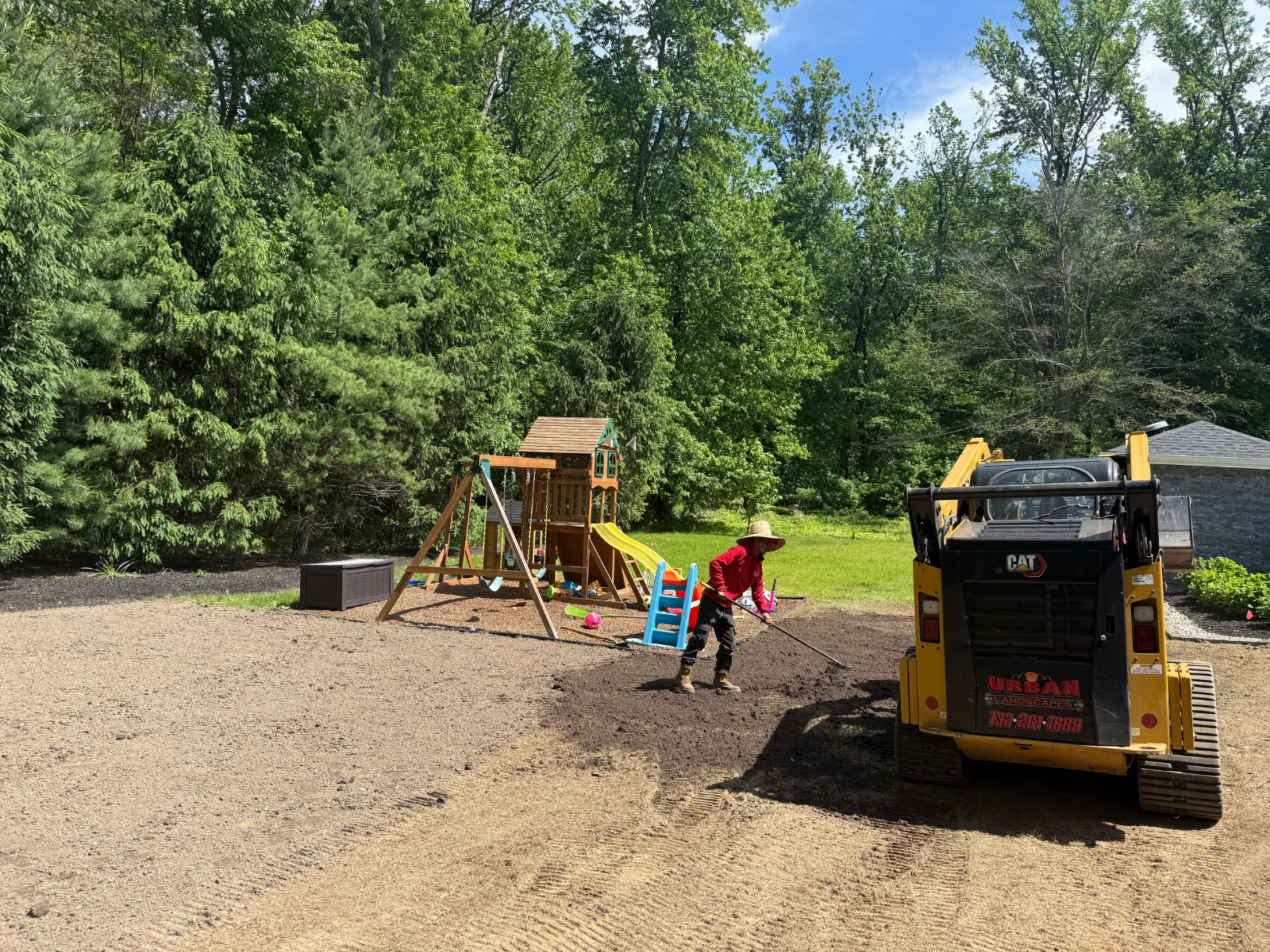
Most Princeton soils benefit from increased organic matter. Compost improves soil structure, helps with water retention in sandy areas and drainage in clay areas, and provides slow-release nutrients. We work amendments into planting beds before installation and topdress existing beds annually to maintain soil health. For lawn areas with compacted soil, core aeration followed by compost topdressing helps restore soil function.
pH Adjustment and Nutrient Correction
When soil tests show pH problems or specific nutrient deficiencies, we address those directly. Lime raises pH for plants that need less acidic conditions. Sulfur lowers it for acid-loving plants like azaleas and rhododendrons. Targeted fertilizers correct nitrogen, phosphorus, or potassium deficiencies based on what your soil actually lacks rather than applying balanced fertilizers that might not match your needs.