Professional Shrub Pruning Services in Princeton, New Jersey


5.0 Rating
Professional Shrub Pruning Services in Princeton, New Jersey
Shrub pruning maintains plant health, controls size, enhances flowering, and keeps landscapes looking intentional rather than overgrown. Working throughout Princeton neighborhoods, I’ve pruned foundation plantings that frame homes, hedges requiring shaping for privacy, and flowering shrubs needing specific techniques to maximize blooms. The difference between proper pruning and arbitrary cutting is understanding plant biology—how shrubs respond to cuts, when different species should be pruned, and how much removal promotes health versus causes stress.
Princeton properties feature diverse shrubs from evergreen boxwood and holly in foundation plantings to flowering hydrangeas and azaleas in garden beds. Each type has specific pruning requirements. Timing matters—prune spring-flowering shrubs after bloom to preserve next year’s flowers, while summer bloomers get pruned in late winter. Techniques vary—formal hedges need precise shearing, while informal shrubs look best with selective hand pruning maintaining natural forms.
When I started Urban Landscapes, I committed to owner-led projects where I personally oversee shrub pruning work. This hands-on approach, backed by full insurance, ensures pruning that enhances rather than damages your landscape investment. We provide complete shrub pruning services with free estimates and exclusive discounts.
Foundation Shrub Pruning and Maintenance
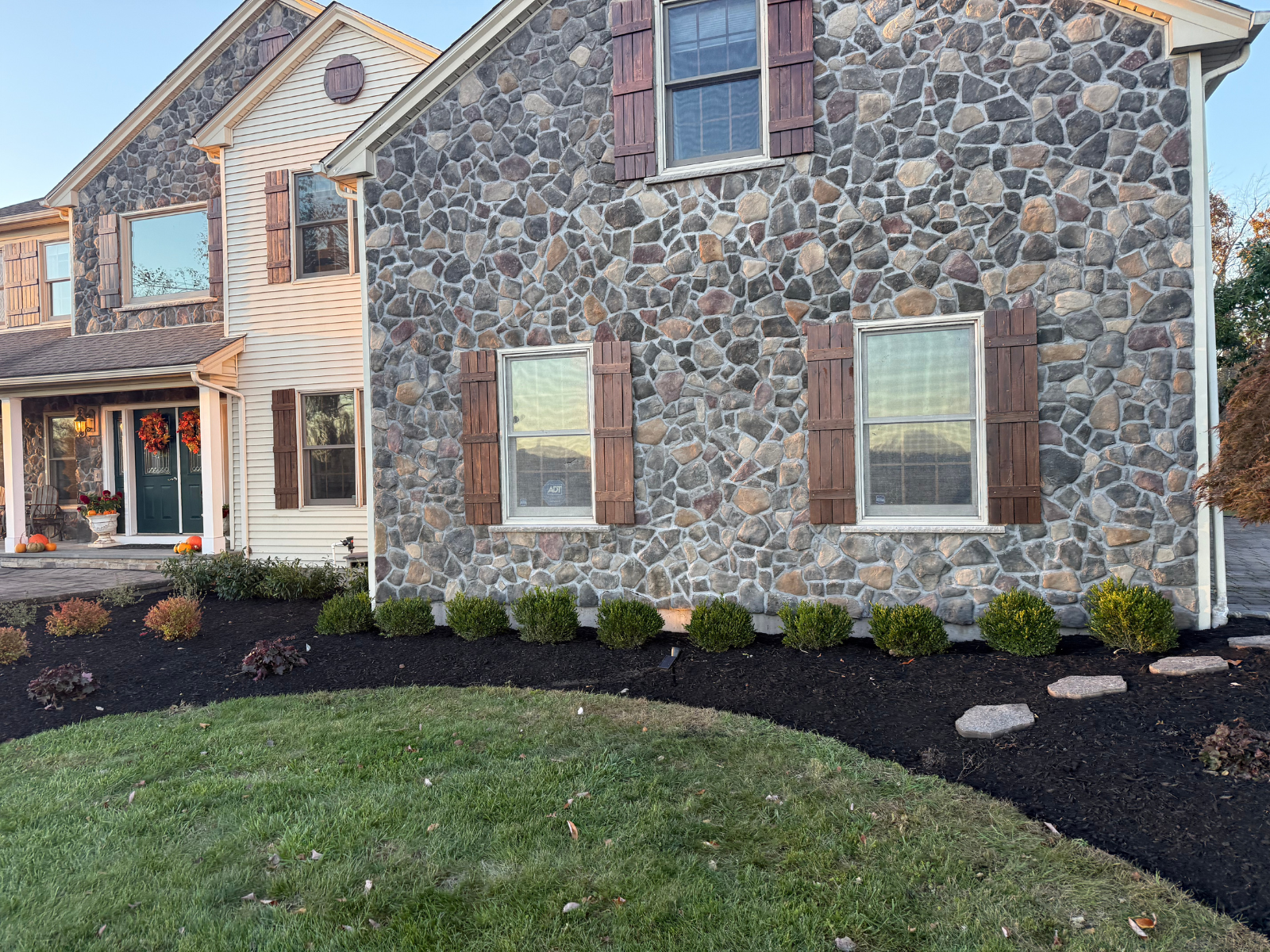
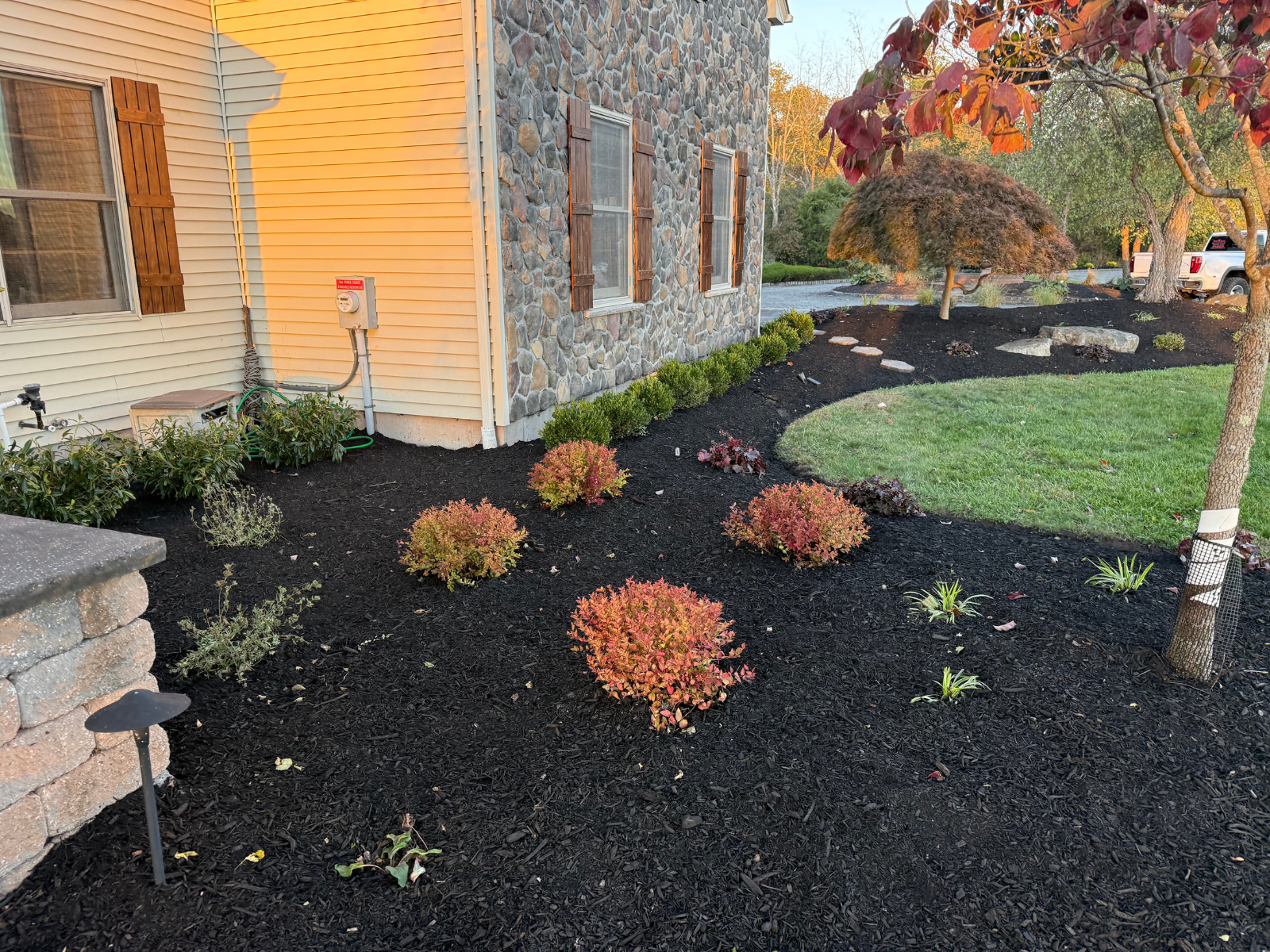
Foundation shrubs require regular pruning maintaining appropriate scale relative to homes. Overgrown foundation plantings block windows, crowd entries, and make properties appear neglected. We prune foundation shrubs preserving natural forms while keeping them proportional to architectural features. Selective cuts remove the longest growth maintaining shape without creating sheared appearance that looks unnatural on informal shrub varieties.
Evergreen foundation shrubs like boxwood, holly, and yew tolerate regular pruning maintaining dense growth. We prune these in late winter or early spring before new growth, though light shaping is acceptable through summer. Deciduous foundation shrubs get pruned based on flowering time—spring bloomers after flowers fade, non-flowering types in late winter.
Hedge Trimming and Shaping
Hedge pruning creates formal or informal screens depending on desired appearance and plant material. Formal hedges using boxwood, privet, or arborvitae need regular shearing maintaining precise shapes. We prune hedges wider at bottom than top allowing light to reach lower branches preventing the bare bottom growth that occurs when tops shade lower portions excessively.
Hedge timing depends on growth rates and formality level. Formal hedges may need multiple trimmings per season maintaining crisp appearance. Informal hedges using flowering shrubs might need only annual pruning preserving bloom while controlling size. We adjust pruning frequency to hedge type and your maintenance preferences.
Flowering Shrub Pruning
Flowering shrubs need pruning timed to bloom habits. Spring-flowering shrubs like forsythia, lilac, and azalea bloom on previous year’s growth—prune immediately after flowering to avoid removing next season’s flower buds. Summer-flowering shrubs like butterfly bush, rose-of-sharon, and crape myrtle bloom on current season’s growth—prune in late winter before growth starts, stimulating vigorous flowering shoots.
Hydrangeas require specific approaches based on type. Bigleaf hydrangeas bloom on old wood and should be pruned minimally, removing only dead stems. Panicle and smooth hydrangeas bloom on new wood and tolerate hard pruning in late winter. Understanding these distinctions prevents the common problem of shrubs that don’t flower because they were pruned at wrong times.
Rejuvenation and Renewal Pruning
Overgrown or neglected shrubs benefit from rejuvenation pruning restoring manageable size and healthy growth. Shrubs that tolerate hard pruning can be cut to 6-12 inches from ground, stimulating vigorous new growth from the base. This drastic approach works for many deciduous shrubs but kills most evergreens requiring gentler techniques.
Gradual renewal pruning spreads rejuvenation over several years, removing the oldest one-third of stems annually. This less shocking approach maintains some foliage while encouraging new growth from the base. After three years, the entire shrub consists of young, vigorous stems without the bare, woody appearance of neglected plants.
Proper Pruning Cuts and Techniques
Proper pruning cuts are made just above buds or lateral branches at slight angles directing water away from buds. Cuts between buds or leaving stubs create dead wood that invites disease. Cuts too close to buds damage them preventing growth. We make cuts at correct positions and angles promoting healthy responses.
Thinning cuts remove entire branches at their origin, opening shrub interiors to light and air while maintaining natural forms. Heading cuts shorten branches stimulating dense growth below cuts—useful for formal hedges but creating unnatural appearance on informal shrubs. We use appropriate cut types for specific pruning goals and shrub characteristics.
Seasonal Pruning Schedule
Late winter pruning before spring growth works for most non-flowering deciduous shrubs and summer-blooming plants. Spring pruning after flowering suits spring-blooming shrubs. Summer pruning controls vigorous growth and shapes hedges needing multiple sessions. Fall pruning is generally avoided—new growth stimulated by pruning may not harden before winter, suffering cold damage.
Evergreen shrubs tolerate pruning year-round but respond best to late winter or early spring pruning before active growth. Light shaping through summer is acceptable, but avoid heavy pruning in fall when new growth won’t harden properly before winter.
Disease and Pest Management Through Pruning
Pruning removes diseased or pest-infested branches preventing spread to healthy portions of shrubs. We sterilize tools between cuts when working with diseased material preventing contamination. Dead or declining branches that attract insects and disease organisms get removed during maintenance pruning before problems escalate.
Proper pruning improves air circulation through shrub canopies, reducing humidity that promotes fungal diseases. Thinning dense growth allows better spray coverage when treatments are necessary for pest or disease control. These preventive benefits make regular pruning important for long-term shrub health.