Gravel Installation


5.0 Rating
Professional Gravel Installation and Hardscaping
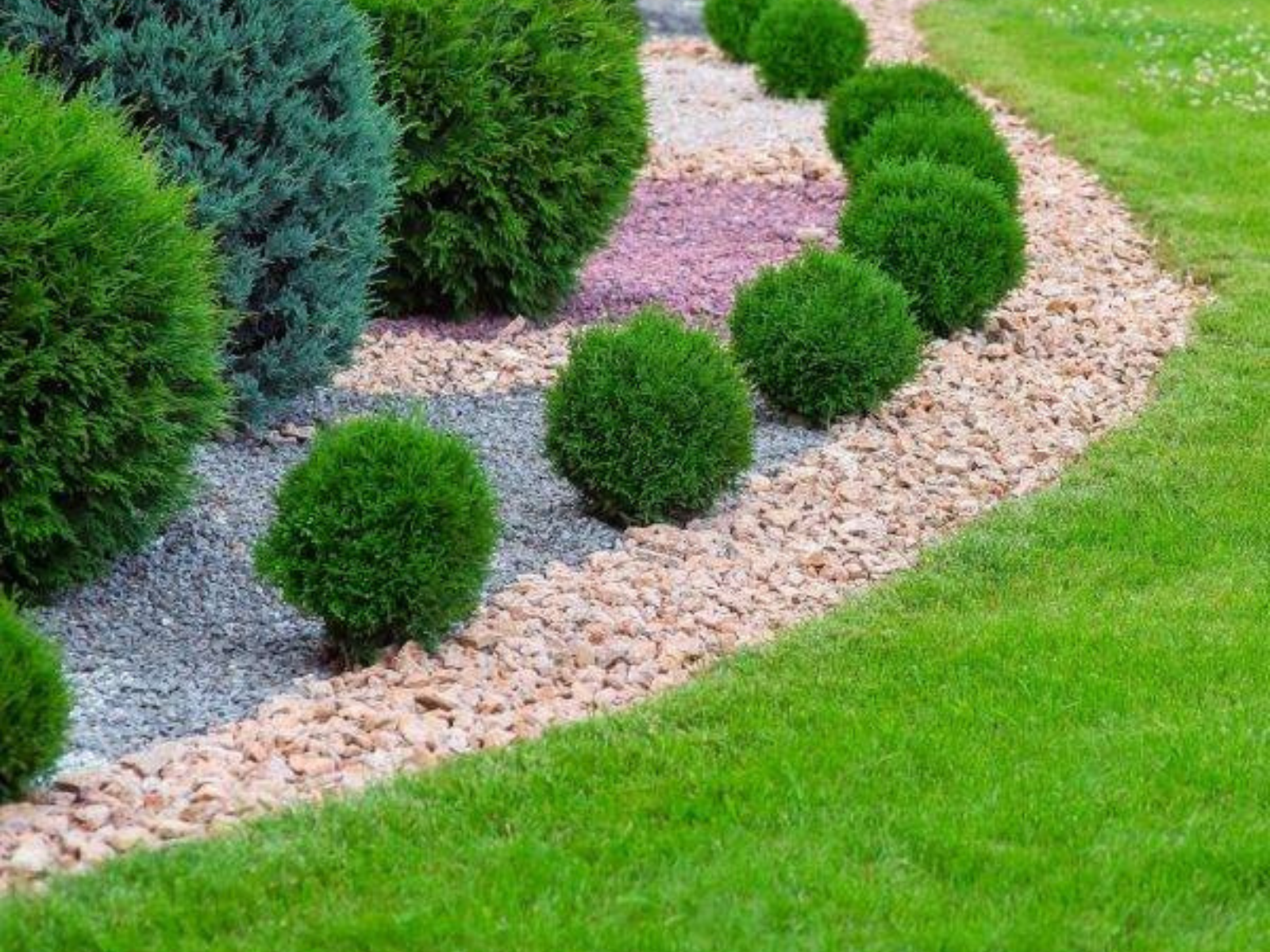
Gravel installation requires more planning than people expect. I’ve been called to fix situations where gravel was laid directly on soil without proper preparation, leading to weeds pushing through within weeks and stones migrating into lawn areas. Done correctly, gravel creates clean transitions, defines spaces, and provides low-maintenance coverage for areas where grass struggles.
Landscape Gravel Applications
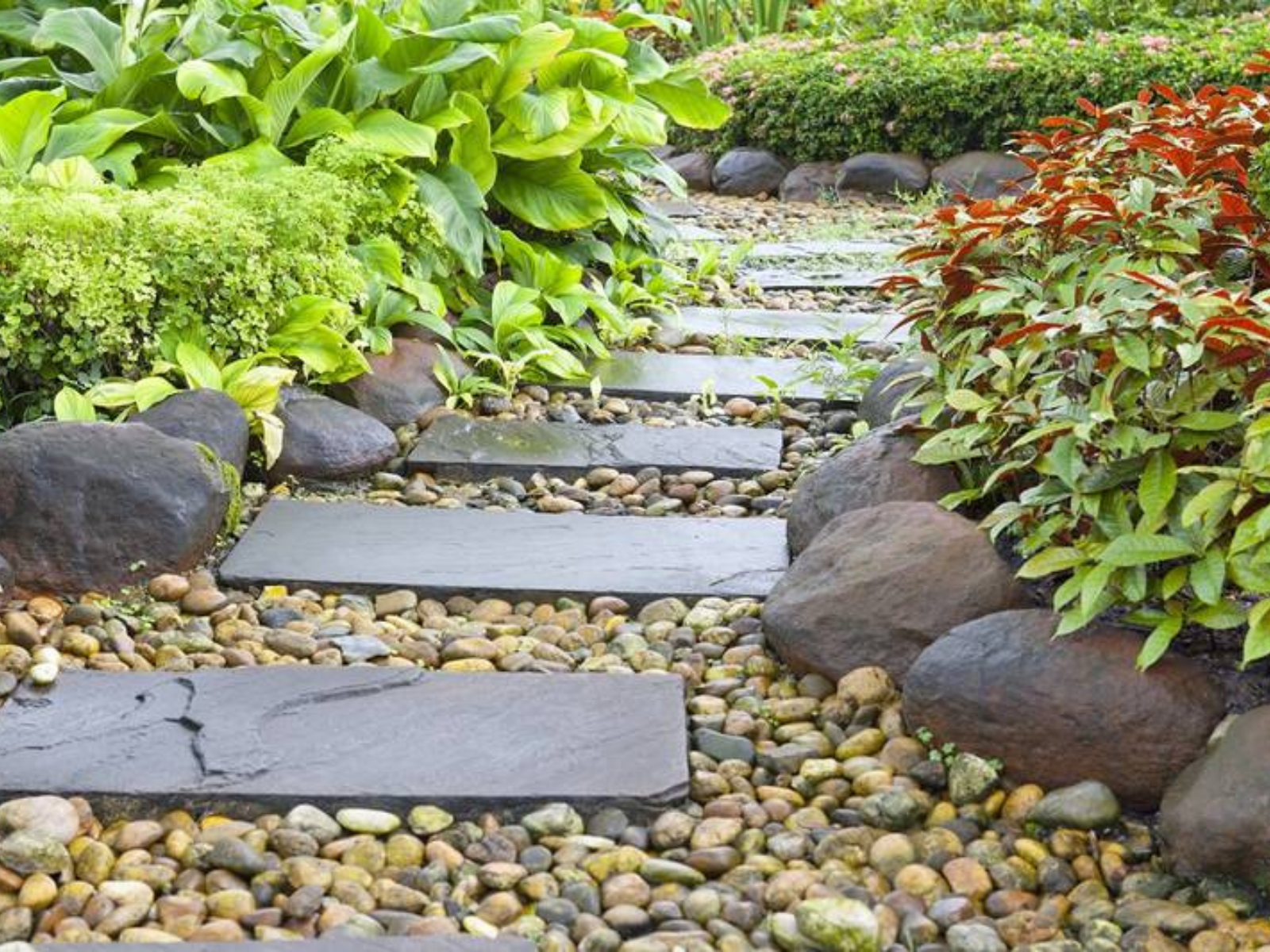
We use gravel for pathways that connect different areas of your property, for drainage solutions where water tends to collect, and for decorative borders that separate planting beds from turf. In Princeton’s older neighborhoods where properties often have mature trees creating shade, gravel offers an alternative to struggling grass in those dim areas.
Base Preparation and Edging
The secret to gravel that stays in place is what happens before the stones arrive. We excavate to proper depth, install landscape fabric that blocks weeds while allowing drainage, and create edges that contain the material. Without solid edging—whether that’s metal, stone, or another material—gravel spreads into adjacent areas and loses its definition.
Gravel Types and Selection
Pea gravel works for areas where you want smooth texture underfoot. Crushed stone locks together better for pathways that see regular use. River rock offers a more polished appearance for decorative applications. We discuss your goals for the space and recommend materials that match both your aesthetic preferences and functional needs.