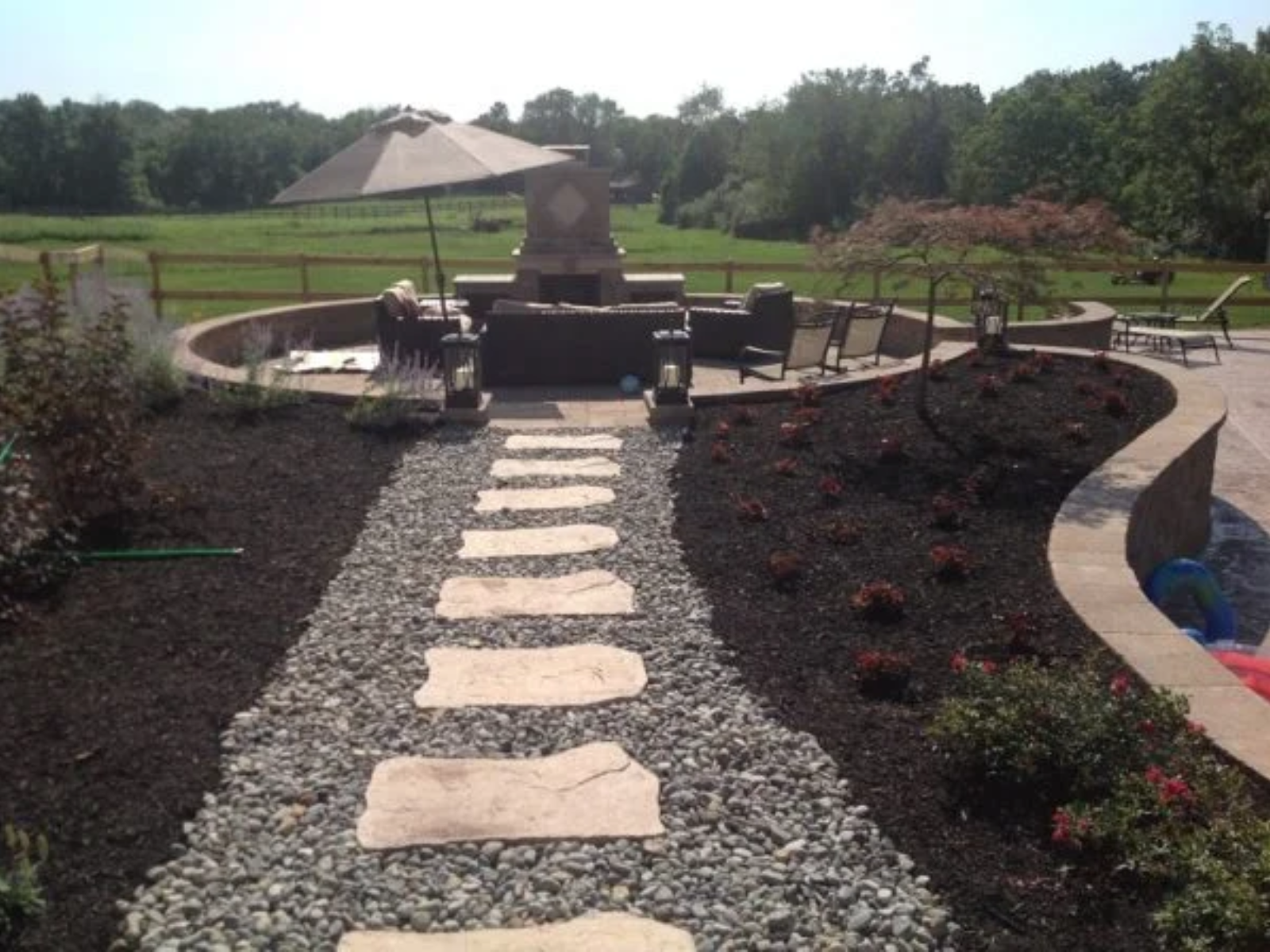
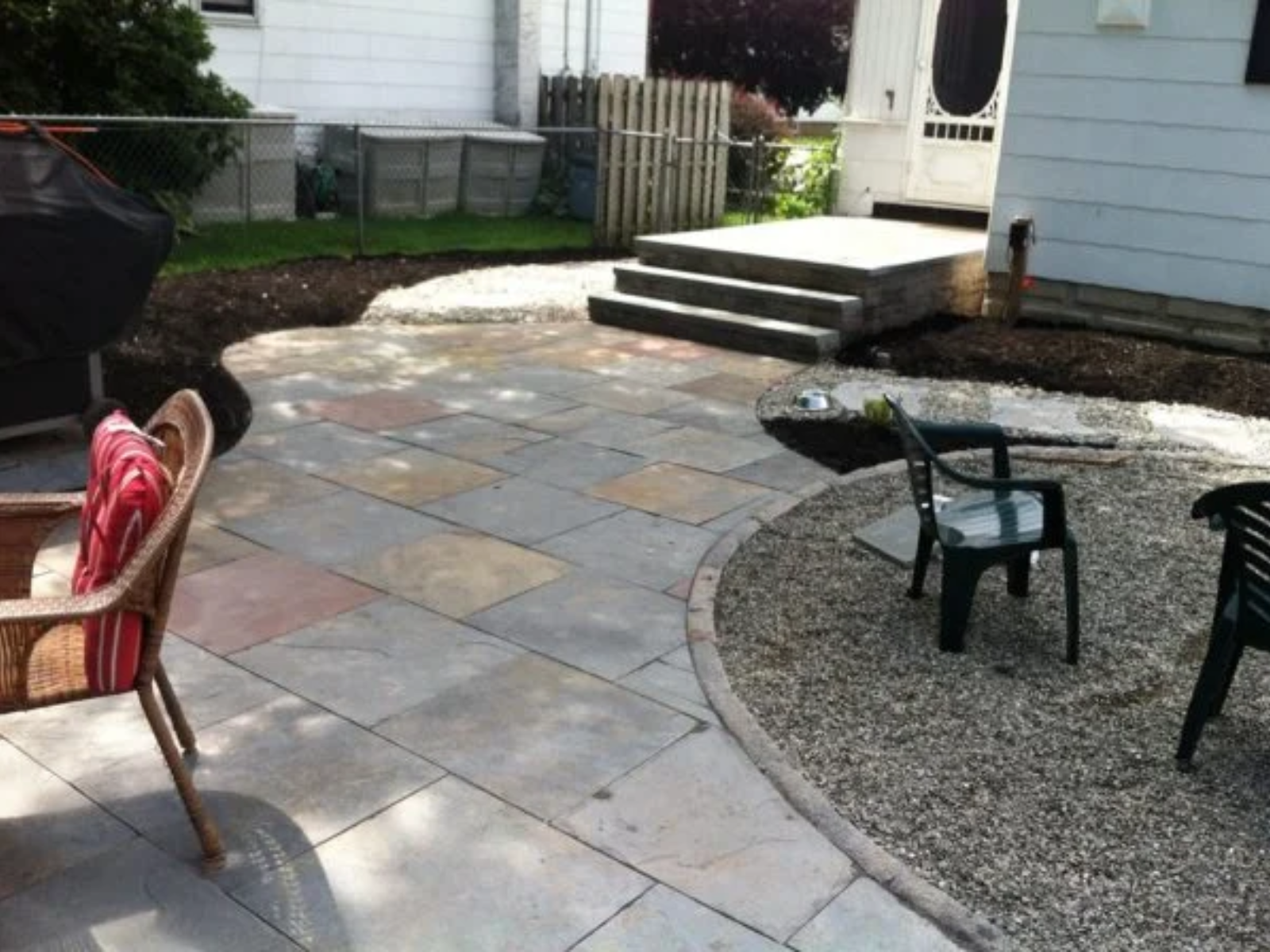
Mulching Services


5.0 Rating
Expert Mulch Installation for Princeton Properties
Mulching might seem straightforward until you consider what it actually needs to accomplish. I’ve seen too many properties where mulch was simply dumped around plants without thought to depth, material type, or how it interacts with Princeton’s clay-heavy soil in some neighborhoods versus the sandier conditions in others.
The right mulch application does several things simultaneously. It regulates soil temperature during our humid summers and protects roots when January temperatures drop. It suppresses weeds that would otherwise compete with your plantings for nutrients. And honestly, it creates that finished look that makes a property feel intentional rather than neglected.
Choosing the Right Mulch Material
Not every mulch works for every situation. Hardwood mulch breaks down slower and works well for established beds around foundation plantings. Cedar mulch offers natural pest resistance, which matters when you’re dealing with the insect pressure we get during Princeton summers. For areas with heavy foot traffic or where you want longer-lasting coverage, we discuss options that balance durability with aesthetics.
Proper Mulch Depth and Application
Here’s what most people get wrong: they either apply too little mulch, which defeats the purpose, or pile it too high, which suffocates plants and invites rot. The standard is two to three inches for most applications, but that changes based on your specific plants and existing soil conditions. Around trees, we maintain proper clearance from the trunk—no volcano mulching that traps moisture against bark.
Seasonal Mulch Refresh
Princeton’s weather is hard on mulch. Between spring rains washing it thin and summer sun fading the color, most beds benefit from annual refreshment. We remove old mulch that’s broken down into soil, check for any edge deterioration, and apply fresh material that restores both function and appearance.