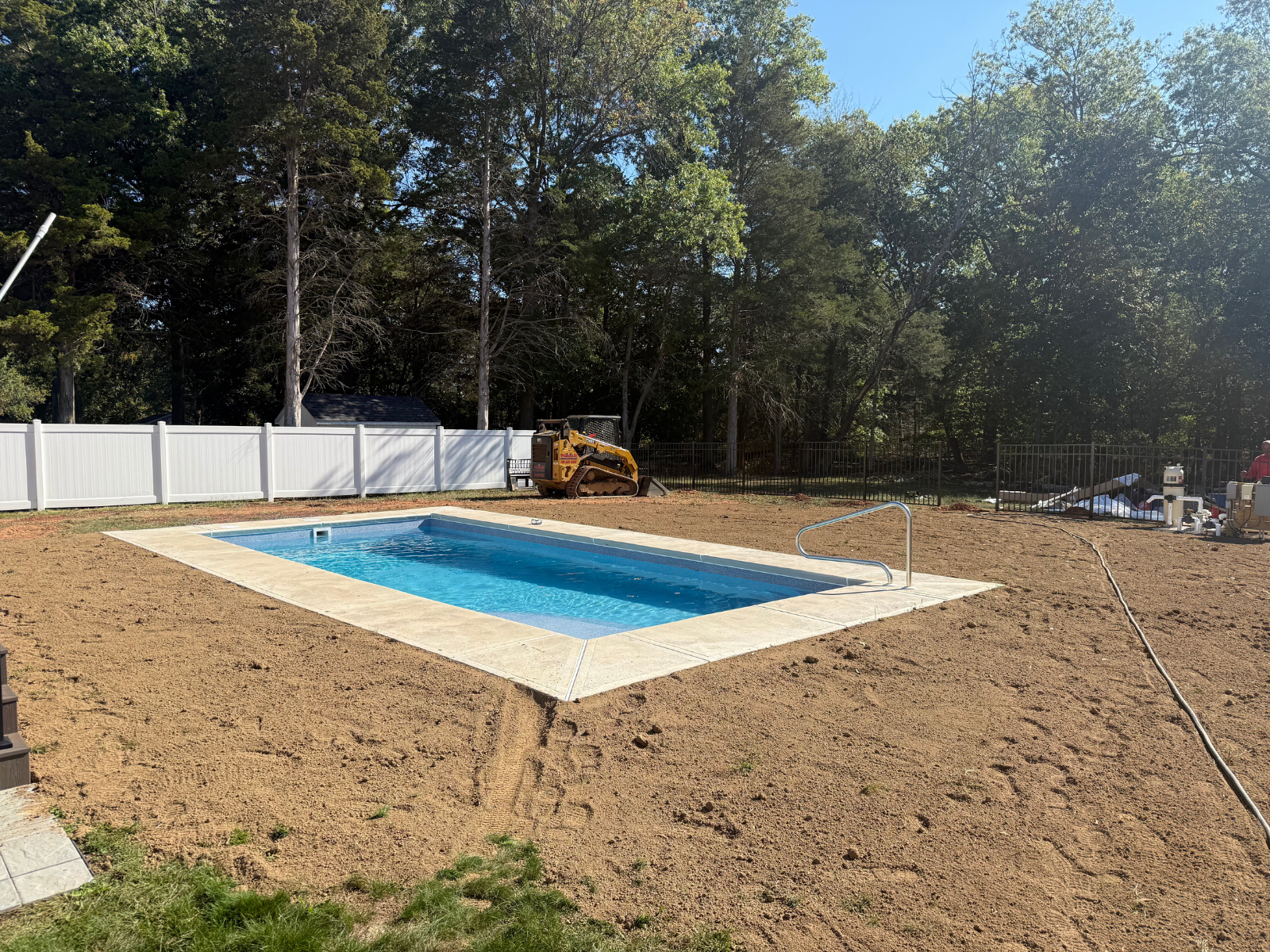
Code – Compliant Pool Fencing in Princeton, New Jersey


5.0 Rating
Code-Compliant Pool Fencing in Princeton, New Jersey
Pool safety fencing in New Jersey isn’t optional—it’s legally required and essential for protecting children and satisfying homeowner insurance requirements. Working throughout Princeton, I’ve installed pool fencing for new pool construction and existing pools needing compliant barriers. The regulations are specific and strictly enforced: minimum heights, maximum spacing between pickets, self-closing gates with proper latches, and barriers that prevent climbing. Understanding these requirements and installing fencing that satisfies all codes while maintaining aesthetics requires experience with both New Jersey regulations and available materials.
I’ve seen pool fencing installed incorrectly—gates that don’t self-close reliably, spacing that exceeds maximum gaps, heights that fall short of requirements. These installations fail inspections and leave homeowners liable for violations and potential accidents. When I started Urban Landscapes, I committed to owner-led projects where I personally ensure code compliance on every pool fence installation. This hands-on approach, backed by full insurance, means your pool fencing satisfies all legal requirements and passes inspection the first time.
We provide complete pool-coded fencing solutions in aluminum, vinyl, and mesh materials, with free estimates and exclusive discounts.
New Jersey Pool Fencing Code Requirements
New Jersey requires barriers around all swimming pools that are 24 inches or deeper. Fencing must be at least 48 inches high measured from grade on the side facing away from the pool. Spacing between vertical pickets cannot exceed four inches—this prevents young children from squeezing through. Gates must be self-closing from any open position and self-latching with latches positioned at least 54 inches from grade, making them unreachable for young children.
The barrier must completely enclose the pool area with no gaps that would allow access. If your house forms one side of the barrier, doors from the house to the pool area must have alarms or be self-closing and self-latching meeting the same standards as fence gates. These requirements exist in New Jersey’s Uniform Construction Code, and Princeton Township building officials enforce them during inspections. Non-compliant fencing results in failed inspections, fines, and potential insurance issues if accidents occur.
Aluminum Pool-Coded Fencing
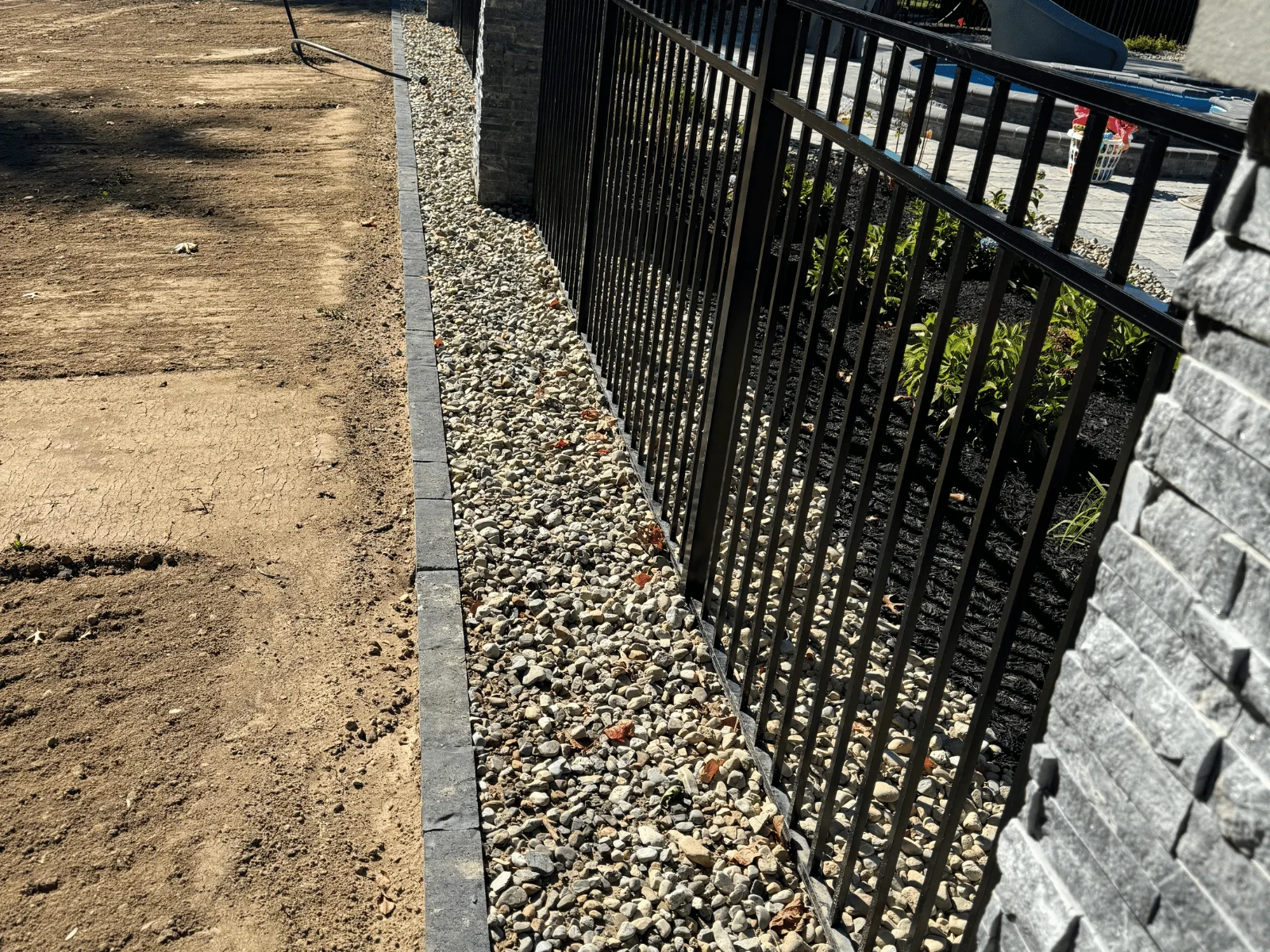
Aluminum is the most popular material for pool-coded fencing throughout Princeton. It satisfies all code requirements while providing clear sight lines for supervision—crucial for pool safety. The non-corrosive properties handle exposure to pool chemicals, splashing water, and humid pool environments without rusting or deteriorating. Aluminum’s strength-to-weight ratio provides security without the bulk of heavier materials.
We install aluminum pool fencing with precise picket spacing—typically two to three inches apart—ensuring the four-inch maximum is met even accounting for manufacturing tolerances and thermal expansion. Heights meet the minimum 48-inch requirement, with options for taller fencing (54 or 60 inches) where additional security or privacy is desired. Commercial-grade self-closing hinges and code-compliant latches come standard on all gate installations, providing reliable operation that maintains safety features through years of use.
Style options range from simple flat-top designs to ornamental fencing with decorative finials and architectural details. Black powder-coat finish remains most popular, though bronze, white, and other colors coordinate with different pool deck materials and home exteriors. All finishes are fade-resistant and maintenance-free beyond occasional hosing.
Vinyl Pool-Coded Fencing
Vinyl pool fencing provides solid barrier options that completely block view into pool areas when privacy is desired alongside safety compliance. Solid vinyl panels meet all code requirements for height and gap prevention while offering complete visual screening. Picket-style vinyl maintains sight lines similar to aluminum while providing vinyl’s maintenance-free advantages.
Installation requires attention to vinyl’s thermal expansion characteristics. Proper rail systems allow slight panel movement during temperature changes preventing buckling in summer heat or cracking during winter cold. Posts get set in concrete at proper depths with spacing that maintains structural integrity while accommodating vinyl’s physical properties.
Vinyl handles pool chemical exposure exceptionally well—chlorine, salt, and other chemicals that can affect other materials don’t impact vinyl’s appearance or integrity. Colors include white for traditional pool fencing appearance, plus tan and gray options that coordinate with pool decking and home exteriors. All vinyl fencing requires zero maintenance beyond occasional washing with soap and water.
Self-Closing Gates and Code-Compliant Latches
Gates represent the most critical component for pool code compliance and the most common failure point in DIY or low-quality installations. Self-closing hinges must reliably close gates from any open position—not just fully open but from partially open positions where someone might leave the gate. We install commercial-grade spring-loaded or gravity-operated hinges that maintain consistent closing force through years of operation and weather exposure.
Self-latching mechanisms must engage automatically when gates close without requiring manual action. Magnetic latches provide reliable engagement with minimal maintenance. Gravity-drop latches offer time-tested reliability. Both styles position at the required 54-inch height, making them unreachable for young children while remaining convenient for adults.
Gate construction uses reinforced frames handling the additional hardware weight while maintaining smooth operation. Gates must swing outward from the pool area per code requirements, ensuring they can’t be pushed open from inside the pool enclosure. We install gates that meet all these requirements while operating smoothly and looking attractive
Inspection and Permit Process
Pool fencing installation in Princeton Township requires building permits before construction begins. We handle permit applications, submitting documentation showing code-compliant plans with proper heights, spacing, gate specifications, and material details. This expertise prevents delays from incomplete or incorrect permit submissions.
Installation follows approved plans exactly—no deviations that could cause inspection failures. Final inspection by township building officials verifies compliance with all code requirements before approval is granted. Our experience working with Princeton Township inspectors and thorough understanding of local enforcement practices means smooth inspections without failures, corrections, or callbacks that delay your pool opening or use.