Professional Plant Installation in Princeton, New Jersey


5.0 Rating
Professional Plant Installation in Princeton, New Jersey
Plant installation done correctly makes the difference between plants that thrive and plants that struggle through their first season or fail entirely. Working throughout Princeton neighborhoods, I’ve installed thousands of trees, shrubs, perennials, and groundcovers, learning that proper techniques during planting determine long-term success more than any other factor. The hole depth and width, soil preparation, root handling, backfill method, and initial watering all affect whether plants establish healthy root systems or remain stressed and vulnerable.
Princeton’s conditions—from clay-heavy soils in some areas to better-draining loam in others, from full sun exposures to deep shade under mature trees—require installation techniques adapted to specific situations. One-size-fits-all planting approaches that might work elsewhere often create problems here. Soil amendments benefit some situations but harm others. Planting depth that’s correct for one location may be wrong for another with different drainage characteristics.
When I started Urban Landscapes, I committed to owner-led projects where I personally oversee plant installations ensuring proper techniques. This hands-on approach, backed by full insurance, means your plants get established correctly from the start. We provide complete plant installation services with free estimates and exclusive discounts.
Tree Installation and Planting
Tree installation requires particular attention because mistakes affect plants that should live for decades. We dig holes two to three times wider than root balls but no deeper—planting too deep kills more trees than any other installation error. The root flare (where trunk widens at soil line) must remain visible above grade. Container trees get roots loosened and circling roots cut. Balled-and-burlapped trees have burlap and wire baskets removed from the upper portion of root balls after positioning.
Backfill uses existing soil in most cases—soil amendments in tree holes can create drainage problems and discourage roots from growing beyond the planting area. We create shallow watering basins around newly planted trees directing water to root zones. Mulch goes around trees but never against trunks where it traps moisture causing rot. Stakes are used only when necessary and removed within one growing season preventing trunk girdling and allowing trees to develop strength.
Shrub Installation Techniques
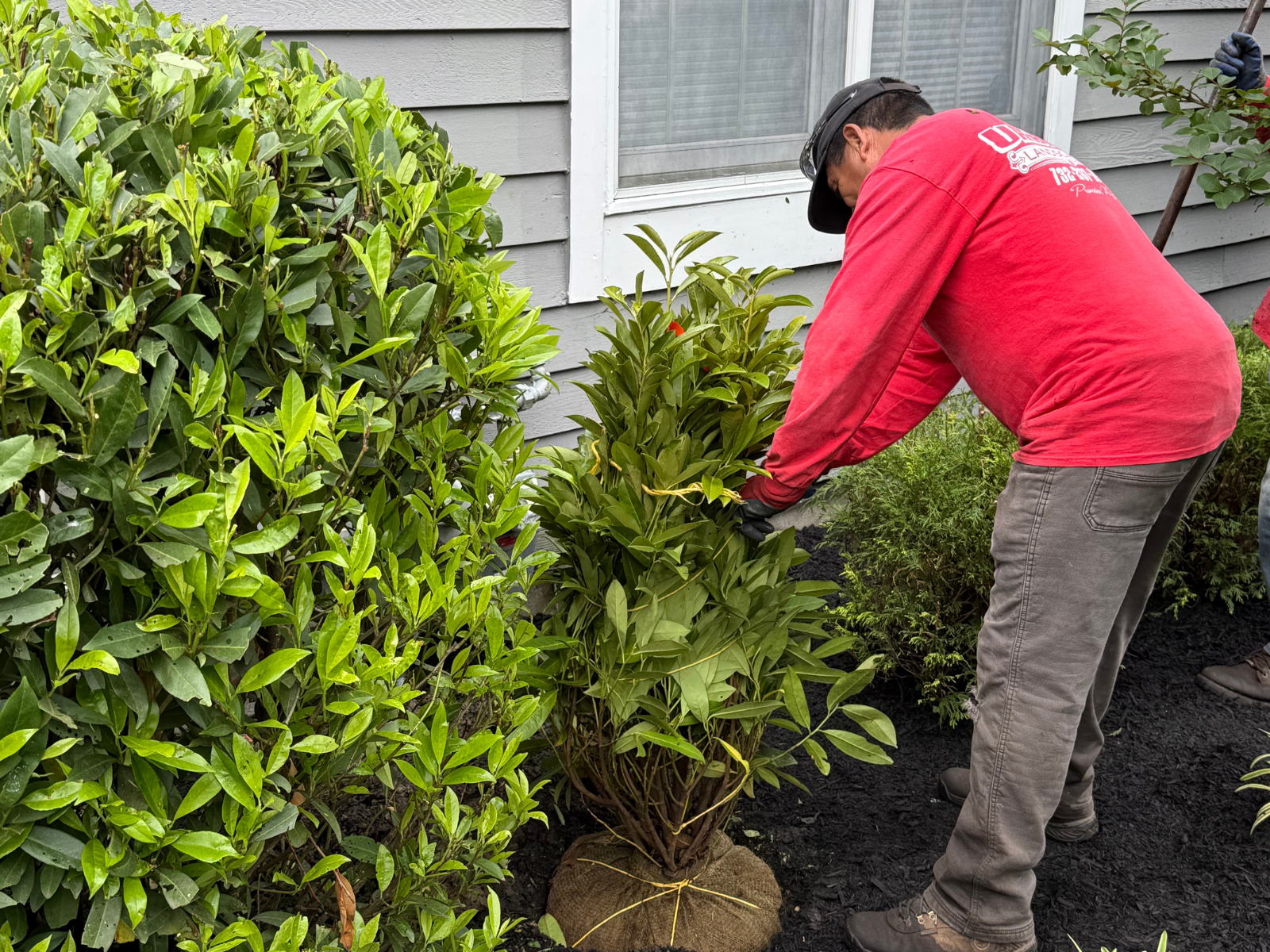
Shrub planting follows similar principles to trees but at smaller scale. Holes accommodate root balls with room for roots to spread. Planting depth positions shrubs at the same level they grew in nursery containers—too deep suffocates roots, too shallow exposes them to drying. We space shrubs accounting for mature widths preventing overcrowding that requires constant pruning or premature removal.
Container shrubs get root-bound roots loosened and circling roots cut before planting—roots that circle in containers will continue circling in ground, eventually girdling and killing plants. Balled-and-burlapped shrubs have covering material removed from tops of root balls. These details seem minor but significantly affect establishment success and long-term health.
Perennial and Groundcover Installation
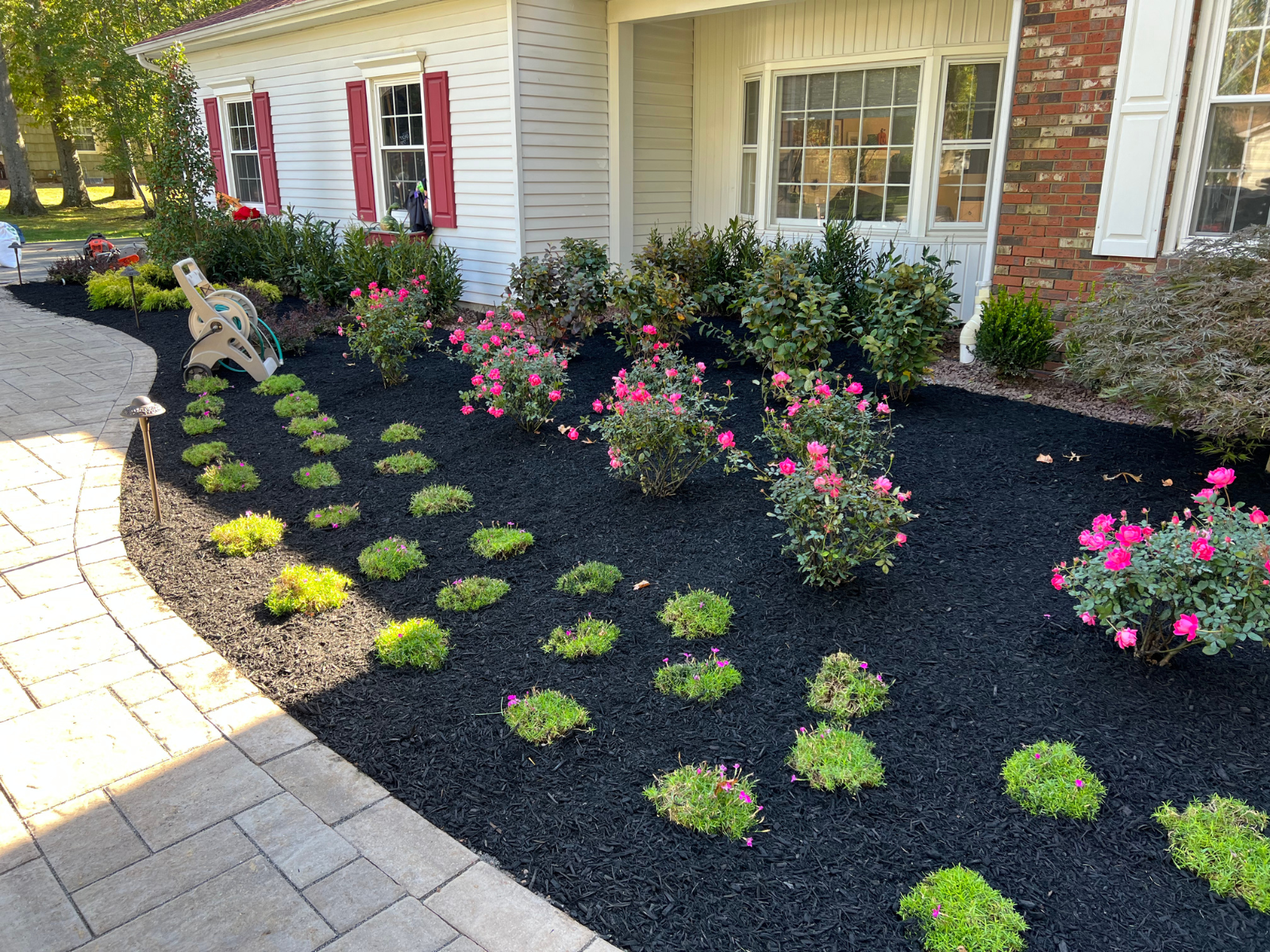
Perennial installation involves preparing entire planting beds rather than individual holes. We remove existing vegetation, loosen compacted soil, and incorporate compost improving soil structure and adding organic matter. Individual perennials get planted at proper depths—too deep smothers crowns, too shallow exposes roots. Spacing accounts for mature sizes allowing plants to fill in while preventing overcrowding.
Groundcover installation requires proper spacing calculations. Too close wastes money on unnecessary plants, too far leaves gaps that take seasons to fill while weeds establish. We calculate spacing based on specific groundcover growth rates and your timeline expectations—faster coverage requires closer spacing and more plants, economical approaches use wider spacing accepting longer establishment periods.
Soil Preparation and Amendment
Soil preparation varies based on existing conditions and plant requirements. Clay soils benefit from organic matter incorporation improving drainage and root penetration. Sandy soils need organic matter increasing water and nutrient retention. We test soil drainage before planting—if water stands in test holes, we adjust planting depth or improve drainage preventing root rot.
Amendments get incorporated throughout planting beds, not just in individual holes. Localized amendments in heavy clay create “bathtub” effects where water accumulates around roots. Proper bed preparation ensures uniform conditions supporting healthy root development throughout the area rather than just immediately around plants.
Proper Planting Depth and Technique
Planting depth represents the most critical factor in installation success. Plants set too deep suffocate as roots can’t access oxygen. Bark or stems buried below grade rot. Plants set too shallow expose roots to temperature extremes and drying. We plant at the correct depth where root flares or crowns sit at or slightly above grade, accounting for settling that occurs after initial watering.
Backfilling technique matters as much as depth. We firm soil around roots eliminating air pockets without compacting soil so heavily that roots can’t penetrate. Water applied during backfilling settles soil naturally. Final grade slopes gently away from plants preventing water accumulation against stems or trunks.
Mulching and Initial Care
Mulch application after planting conserves moisture, moderates soil temperature, and suppresses weeds while plants establish. We apply two to three inches of shredded hardwood mulch or similar material throughout beds, keeping mulch several inches away from plant stems and tree trunks. Proper mulching reduces watering needs and protects developing root systems.
Initial watering ensures root contact with surrounding soil. We water thoroughly at planting, then establish watering schedules based on plant types, sizes, season, and weather conditions. New plantings need consistent moisture through their first growing season—the most critical period for establishment.