Professional Lawn Seeding Services in Princeton, New Jersey


5.0 Rating
Professional Lawn Seeding Services in Princeton, New Jersey
Lawn seeding thickens existing turf, repairs bare spots, and renovates declining lawns. Working throughout Princeton neighborhoods, I’ve seeded lawns ranging from routine fall overseeding maintaining density to complete renovations transforming sparse, weedy areas into thick, healthy turf. The difference between successful seeding and wasted effort comes down to proper timing, quality seed selection, good seed-to-soil contact, and appropriate post-seeding care during the critical germination and establishment period.
Princeton’s climate favors cool-season grasses—fescue, bluegrass, and ryegrass blends that thrive in our moderate summers and cold winters. These grasses establish best when seeded in fall, taking advantage of warm soil temperatures, cooler air, and typically reliable rainfall. Spring seeding works but faces challenges from summer heat stress before grass fully establishes. Understanding optimal timing and techniques determines whether seeding produces thick, durable turf or disappointing results.
When I started Urban Landscapes, I committed to owner-led projects where I personally oversee lawn seeding work. This hands-on approach, backed by full insurance, ensures proper techniques that maximize germination and establishment success. We provide complete lawn seeding services with free estimates and exclusive discounts.
Fall Lawn Overseeding
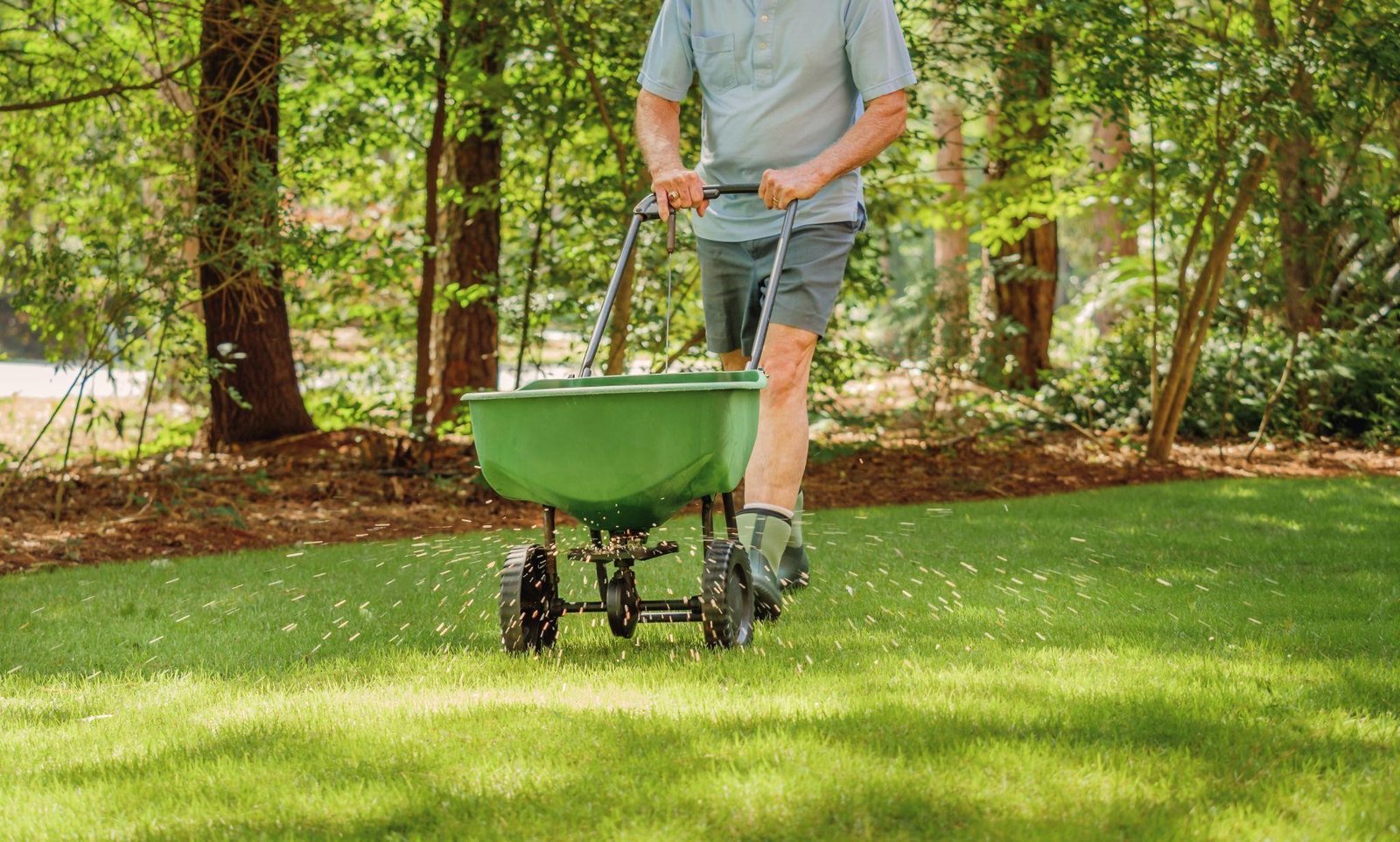
Fall overseeding is the most important maintenance practice for keeping Princeton lawns thick and healthy. Even well-maintained lawns gradually thin from traffic, stress, and natural attrition. Annual overseeding introduces new grass plants filling in naturally occurring thin areas before they become noticeable bare spots or weed havens.
We perform fall overseeding from late August through September in Princeton, providing 4-6 weeks of favorable growing conditions before winter. Soil temperatures remain warm enough for quick germination while air temperatures cool reducing heat stress on emerging seedlings. Fall rains typically provide adequate moisture, though supplemental watering ensures best results.
Preparation involves mowing existing grass slightly shorter than normal—2 to 2.5 inches—allowing seed to reach soil rather than getting hung up in tall grass. Core aeration before seeding creates openings for seed-to-soil contact while reducing thatch and compaction. We apply quality seed blends suited to Princeton’s conditions at proper rates for overseeding—typically 4-6 pounds per 1000 square feet.
Bare Spot Repair and Patch Seeding
Bare spots develop from various causes—traffic patterns, pet damage, disease, insect activity, or poor growing conditions. Repairing bare spots involves addressing underlying causes while reestablishing grass coverage. We evaluate why bare areas developed, correcting problems like drainage issues, compaction, or excessive shade before seeding.
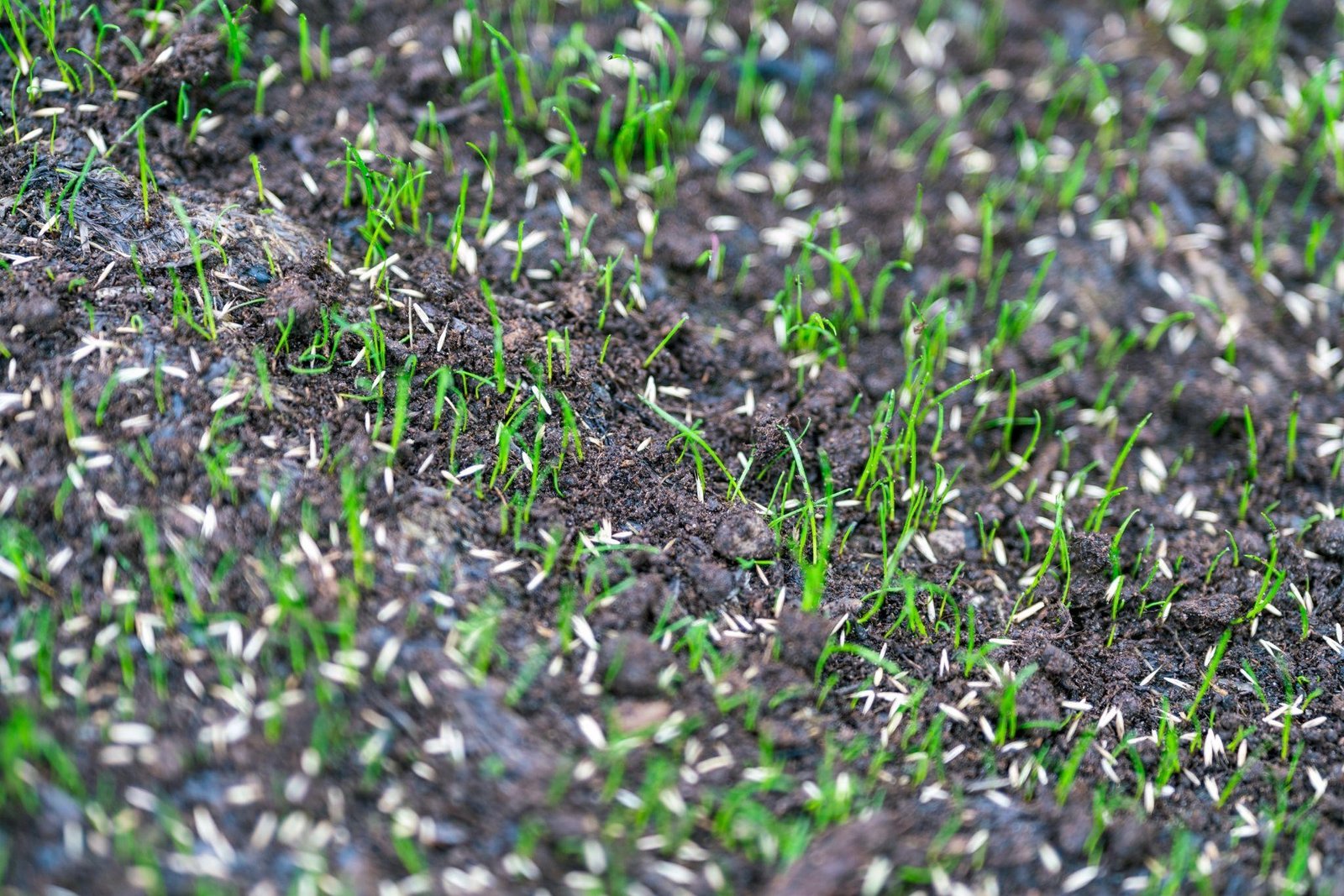
Spot preparation includes loosening soil in bare areas, removing dead vegetation and debris, and incorporating compost or topsoil improving soil quality for seed germination. We apply seed heavier in bare spots than for overseeding—8-10 pounds per 1000 square feet—ensuring adequate density. Light covering with topsoil or compost protects seed and maintains moisture. Consistent watering through germination is critical for bare spot success.
Lawn Renovation and Reseeding
Severely thinned or weed-infested lawns benefit from renovation—aggressive seeding creating essentially new lawns. Renovation involves killing existing vegetation with herbicide or removing it mechanically, preparing soil thoroughly, and seeding at establishment rates. This approach works for lawns where overseeding alone won’t overcome existing problems.
We assess whether renovation or overseeding is appropriate based on lawn condition. Lawns with 50% or more desirable grass typically respond well to overseeding. Those with predominantly weeds or severely thinned areas need renovation providing fresh start. Renovation is more disruptive and expensive but delivers superior results when lawns are beyond help from routine overseeding.
Seed Selection and Quality
Seed quality dramatically affects results. We use premium blends containing tall fescue, fine fescue, and perennial ryegrass in proportions suited to sun exposure and use patterns. Pure seed without excessive filler ensures you’re paying for grass seed, not inert matter. Newer cultivars offer improved disease resistance, drought tolerance, and turf quality compared to older varieties still sold in economy mixes.
Sun and shade exposure determines blend composition. Sunny areas receive more Kentucky bluegrass and perennial ryegrass for durability and appearance. Shaded areas under Princeton’s mature trees get fine fescue-heavy blends tolerating low light. Mixed sun-shade lawns use balanced blends performing adequately across varied conditions.
Proper Seeding Application
Successful seeding requires good seed-to-soil contact. Seed broadcast onto dense thatch or sitting on top of grass blades germinates poorly if at all. Core aeration before seeding creates openings and fractures thatch. Slice seeding uses specialized equipment cutting grooves in soil and depositing seed directly into grooves—excellent for overseeding established lawns.
We apply seed at correct rates avoiding both under-seeding that produces sparse results and over-seeding that wastes money creating overcrowding. Proper rates depend on whether we’re overseeding existing lawns or establishing new turf. Distribution must be even preventing thin spots and overly dense clumps.
Post-Seeding Care and Watering
Post-seeding care determines success as much as application technique. Seed needs consistent moisture for germination—typically 10-14 days for perennial ryegrass, 14-21 days for tall fescue and bluegrass. We provide detailed watering instructions: light, frequent watering multiple times daily keeping seed moist without washing it away or creating standing water.
Traffic restrictions protect germinating seed and young grass from damage. New grass should reach 3 inches before first mowing, with only the top third removed during initial cuts. Fertilization supports establishment—we apply starter fertilizer at seeding providing nutrients for root development without excessive top growth that stresses young plants.