Professional Wood Fencing Installation in Princeton, New Jersey


5.0 Rating
Professional Wood Fencing Installation in Princeton, New Jersey
Wood fencing offers natural beauty and design flexibility that synthetic materials can’t replicate. Working throughout Princeton neighborhoods, I’ve installed wood fencing that complements both historic homes near the university and contemporary properties in newer developments. The warmth and character of natural wood creates boundaries that feel organic rather than industrial, particularly important in Princeton’s tree-lined neighborhoods where landscape aesthetics matter.
The material choice between cedar and pressure-treated pine significantly affects both appearance and longevity. Cedar costs more initially but resists rot naturally through oils in the wood itself, requiring no chemical treatment. It weathers to an attractive silver-gray patina if left unstained, or maintains rich red-brown tones when sealed. Pressure-treated pine provides good durability at lower price points through chemical treatment that resists rot and insect damage. Both materials perform well in Princeton’s climate when installed with proper attention to drainage, post stability, and construction techniques that account for wood’s natural characteristics.
When I started Urban Landscapes, I committed to owner-led projects where I’m personally involved in every wood fence installation. This hands-on approach, backed by full insurance, ensures quality craftsmanship that maximizes wood’s natural advantages while minimizing potential issues. We provide complete wood fencing solutions with free estimates and exclusive discounts.
Wood Privacy Fencing
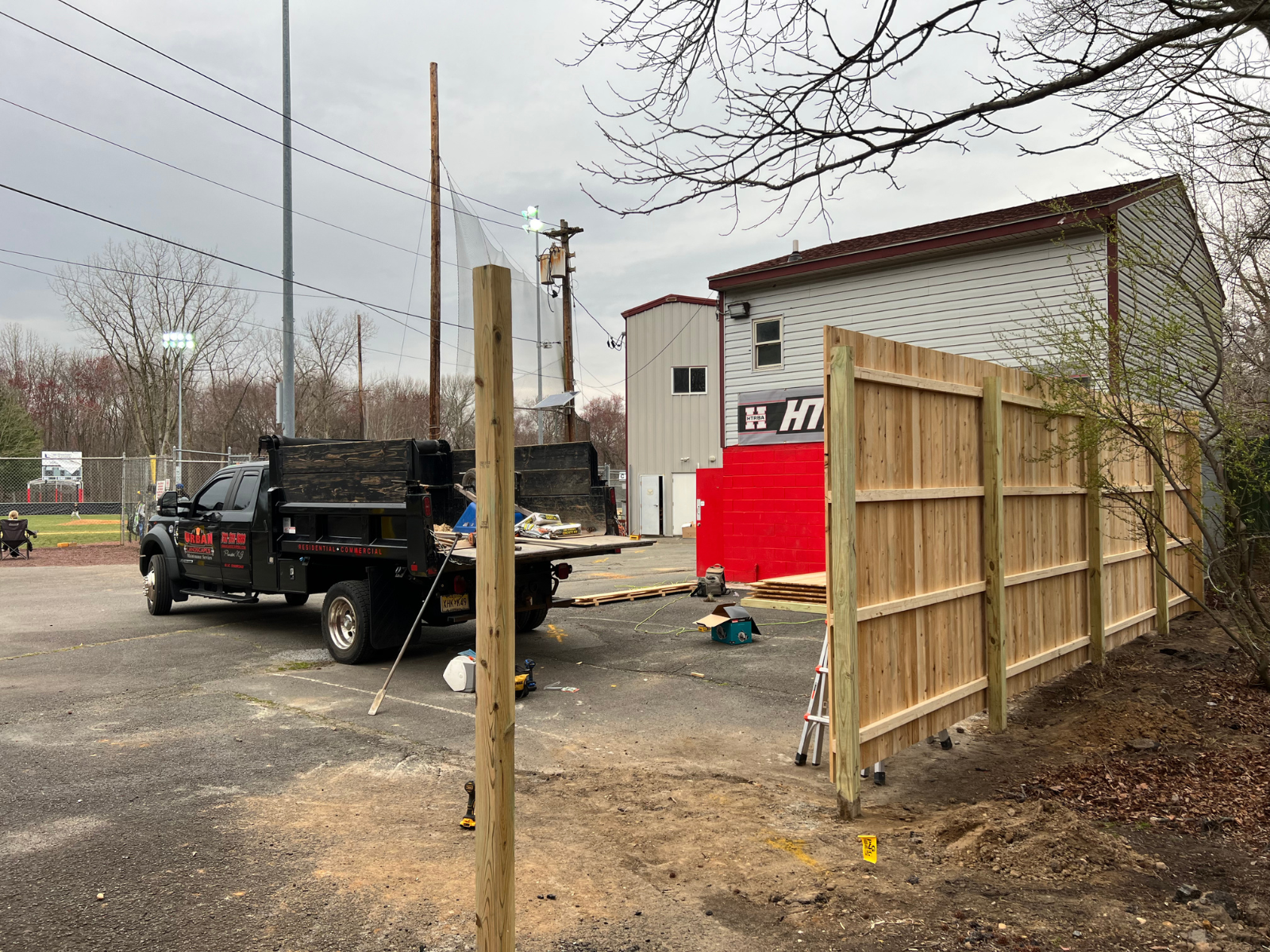
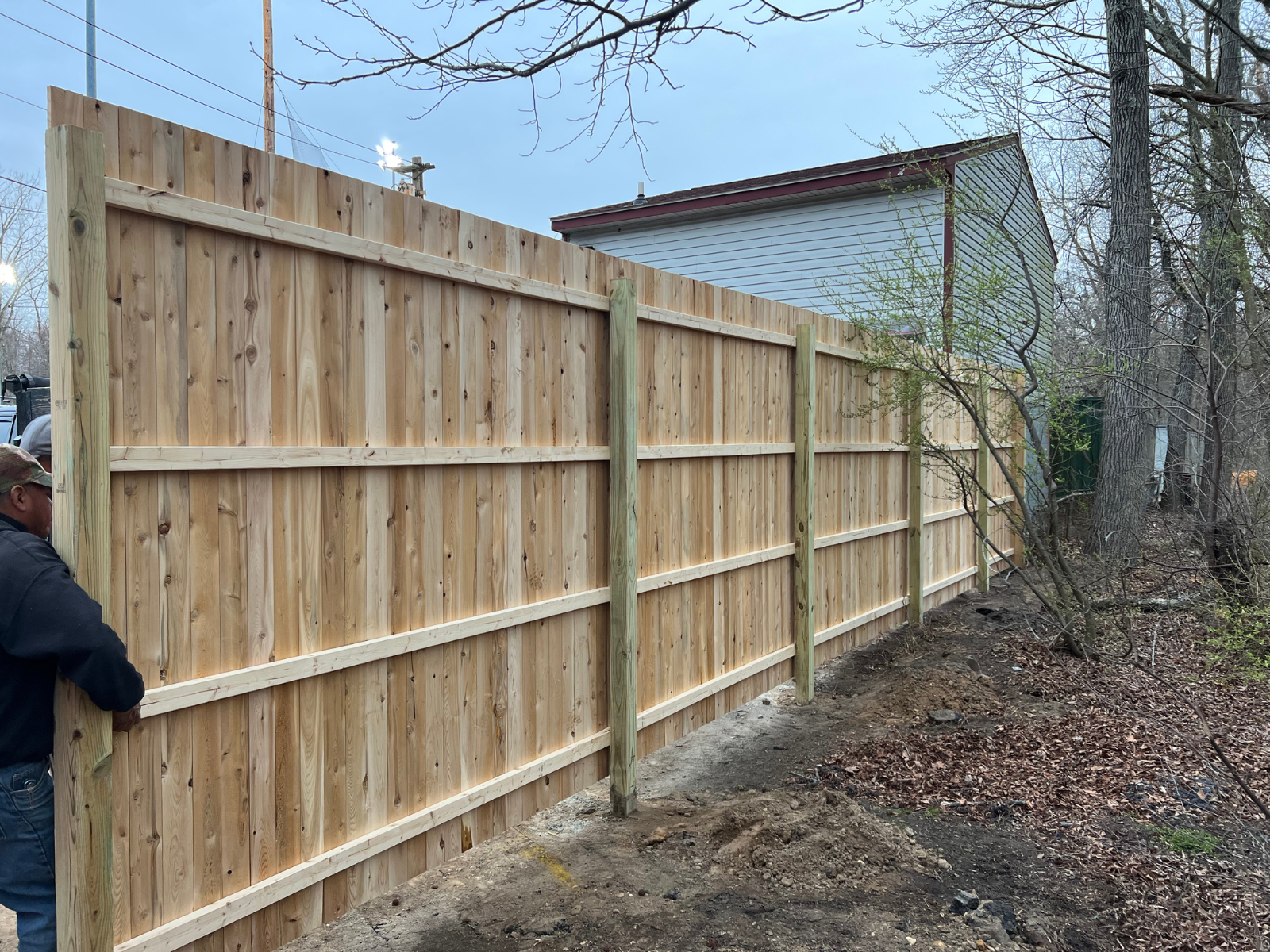
Wood privacy fencing creates solid boundaries that block sight lines and reduce noise from neighbors or street traffic. Boards install edge-to-edge on horizontal rails with minimal gaps, typically creating one finished side facing outward and a rail-exposed side facing inward. Heights range from four to six feet based on your privacy needs and local regulations. The natural appearance suits Princeton’s established neighborhoods where synthetic materials can appear out of place among mature landscaping.
Board-on-board designs provide an attractive alternative to standard privacy fencing. Boards overlap on alternating sides of the rails, creating fencing that looks finished from both sides—important when both faces of perimeter fencing are visible to you and neighbors. The overlapping design also allows slight wood movement during seasonal humidity changes without creating gaps that compromise privacy. This style costs more due to additional materials and labor but delivers superior appearance and flexibility.
Cedar Fencing Benefits and Characteristics
Cedar contains natural oils that resist rot, decay, and insect damage without chemical treatment. The wood’s stability means less warping and twisting compared to other softwoods, maintaining straight lines and reducing maintenance issues. Left natural, cedar weathers to distinguished silver-gray patina within a few years. Stained or sealed annually, it maintains its characteristic red-brown tones indefinitely.
The premium cost of cedar—often 50-75% more than pressure-treated pine—reflects superior durability and appearance. For properties where longevity matters and budget allows, cedar delivers best long-term value. The material works particularly well for highly visible applications like front yard fencing, entryways, and areas where appearance is priority. Many Princeton homeowners choose cedar for its combination of natural beauty, low maintenance, and long lifespan that can exceed 20-30 years with minimal care.
Pressure-Treated Pine Fencing
Pressure-treated pine undergoes chemical treatment forcing preservatives deep into the wood fiber, providing resistance to rot and insect damage. Modern treatments use copper-based compounds that are safer than older arsenic-based products while remaining highly effective. The wood costs significantly less than cedar, making it practical for longer fence runs, backyard privacy applications, or budget-conscious projects where maximum coverage matters more than premium materials.
Treated pine benefits from staining or sealing that protects against moisture and UV damage while enhancing appearance. Without finish, the wood weathers to gray and may develop surface checking (small cracks). With proper maintenance every 2-3 years, treated pine fencing lasts 15-20 years or more. The material works well for privacy fencing where both sides won’t be highly visible, boundary fencing on larger properties, and situations where budget constraints make cedar impractical.
Picket and Decorative Wood Fencing
Wood picket fencing creates classic appearance for front yards, garden boundaries, and areas where you want definition without solid barriers. Spacing between pickets is customizable—closer spacing (1-2 inches) provides more screening and security, wider spacing (3-4 inches) maintains greater openness and visibility. Picket tops can be pointed for traditional appearance, rounded for softer look, or decorative with custom profiles. Heights typically range from three to four feet for front yard applications, meeting most HOA requirements while maintaining neighborly openness.
Split rail fencing provides rustic boundaries for larger properties, side yards, or areas where you want casual definition without blocking views. Two-rail designs offer minimal boundaries, three-rail provides more presence and better animal containment. Cedar split rail ages beautifully into weathered gray, while treated pine split rail offers economical option for extensive runs. The style suits properties with natural or casual landscaping where formal fencing would appear out of character.
Wood Fence Construction and Installation Quality
Quality wood fence installation begins with proper post setting—the foundation that determines fence longevity and stability. Posts go into concrete footings at depths below Princeton’s frost line (typically 36 inches), preventing heaving during freeze-thaw cycles that would tilt or shift fencing. Spacing between posts affects fence strength—closer spacing (6-8 feet) provides greater stability particularly for taller privacy fencing, while wider spacing (8-10 feet) works for lighter applications like picket fencing.
Rails attach securely to posts using galvanized or stainless hardware that won’t rust and stain the wood. Boards install with appropriate fasteners—deck screws provide superior hold compared to nails and won’t pop out over time. Slight gaps between boards (1/8 to 1/4 inch) allow for wood expansion during humid weather, preventing buckling that occurs when boards are installed tight against each other. Level installation accounts for ground slopes while maintaining consistent board heights and proper appearance. These construction details separate professional installation that remains stable for decades from amateur work that begins sagging and twisting within seasons.
Wood Fence Maintenance and Longevity
Wood requires more maintenance than vinyl or aluminum but offers rewards through natural beauty and repairability. Staining or sealing every 2-3 years protects against moisture damage and UV fading that turns wood gray. Power washing removes dirt, mildew, and failed finish before reapplication. Individual boards that crack, rot, or sustain damage can be replaced without rebuilding entire sections—an advantage over panel systems where damage often requires larger repairs.
Cedar requires less frequent treatment than pine due to natural rot resistance but benefits from protection that maintains color and extends lifespan. Treated pine needs more regular attention to maximize durability. Both materials benefit from keeping vegetation trimmed away from fencing—plants growing against wood trap moisture accelerating rot. Good drainage around posts prevents water accumulation that shortens post life even when wood is treated or naturally resistant.