Outdoor Living Space Design


5.0 Rating
Creating Functional Outdoor Environments
Outdoor living space design has shifted dramatically over the years I’ve been working in Princeton. What used to be a simple patio with a grill has evolved into full outdoor rooms—spaces with defined purposes, comfortable furnishings, and amenities that make spending time outside as appealing as being indoors. The goal is creating spaces that match how you actually want to use your property, not following generic templates that might look good in photos but don’t fit your lifestyle.
I approach outdoor living design by first understanding how you envision using the space. Are you hosting dinner parties for friends from the university community? Do you need a quiet spot for morning coffee overlooking your garden? Are you creating play areas for kids while maintaining adult entertaining space? The answers to these questions shape everything from scale to materials to layout.
Site Analysis and Space Planning
Princeton properties present unique opportunities and constraints. Mature trees provide natural shade but limit where you can build. Lot lines in established neighborhoods mean privacy considerations. Slopes and drainage patterns affect where patios and structures can go. We assess these factors early, identifying the best locations for outdoor living spaces based on sun exposure, views, access from your home, and how the space relates to the rest of your landscape.
Space planning involves more than just deciding where to put a patio. We think about traffic flow—how people move from house to yard and between different outdoor areas. We consider sight lines and what you see from both inside looking out and from various points in the yard. We create zones for different activities, whether that’s cooking, dining, lounging, or gathering around fire features.
Hardscape Materials and Construction
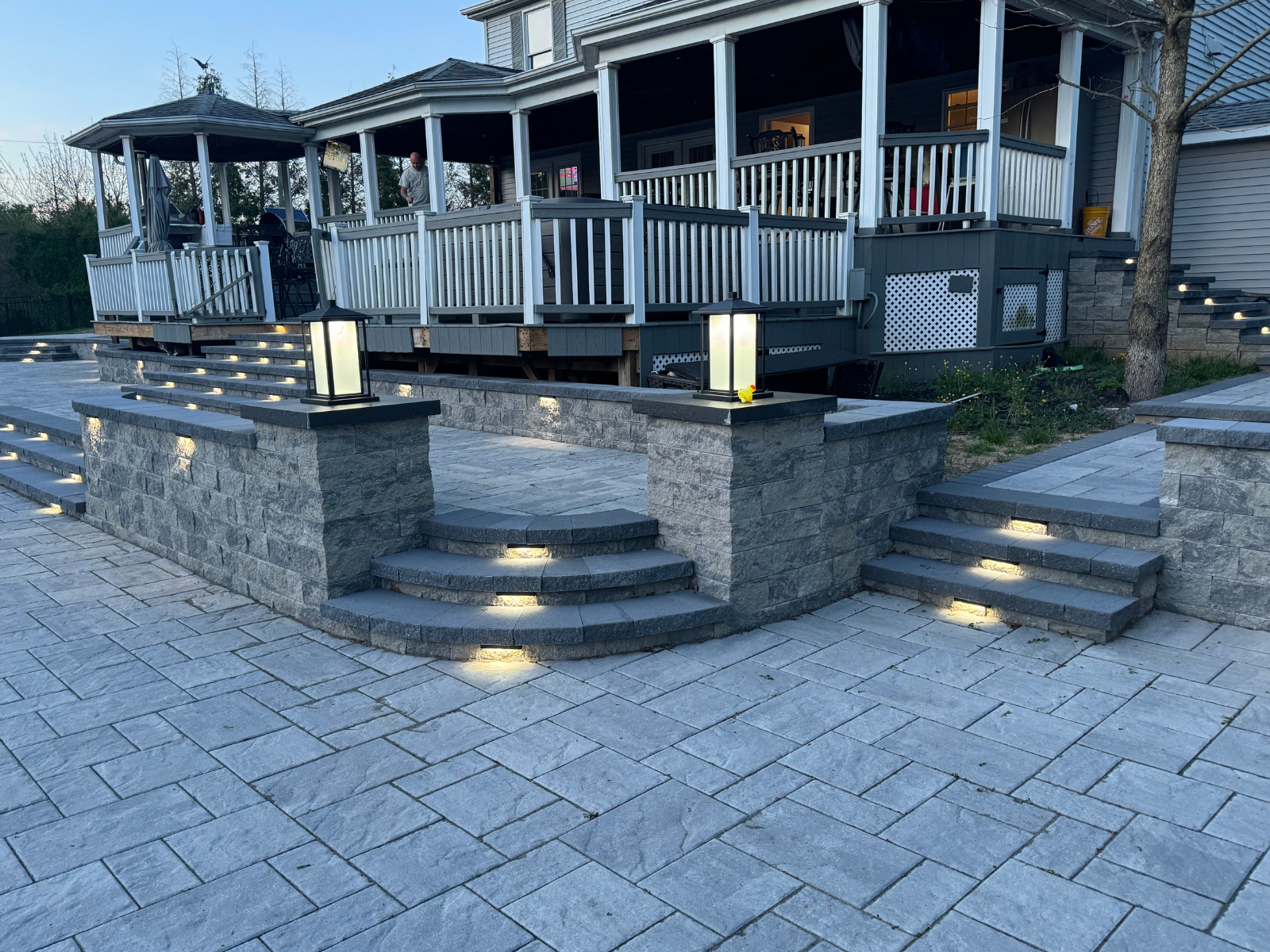
Material selection impacts both the look and longevity of outdoor spaces. Natural stone offers durability and timeless appearance but comes at a higher cost. Pavers provide design flexibility with patterns and colors while remaining more budget-friendly. Concrete can be stamped, stained, or finished in ways that create custom looks. We discuss the character you want to create and recommend materials that match both aesthetic goals and practical considerations like maintenance and climate durability.
Construction quality matters more than most people realize. Proper base preparation prevents settling and cracking. Correct drainage keeps water moving away from your home and prevents pooling on patios. Edge restraints maintain paver alignment over time. These aren’t visible elements, but they determine whether your outdoor space looks great for decades or develops problems within a few seasons.
Functional Elements and Amenities
Outdoor kitchens range from built-in grills with counter space to full cooking stations with refrigeration, storage, and multiple cooking surfaces. We help you decide what level makes sense for how often you’ll cook outside and what kind of entertaining you do. Seating areas might include built-in benches with storage, freestanding furniture zones, or combination approaches that offer flexibility.
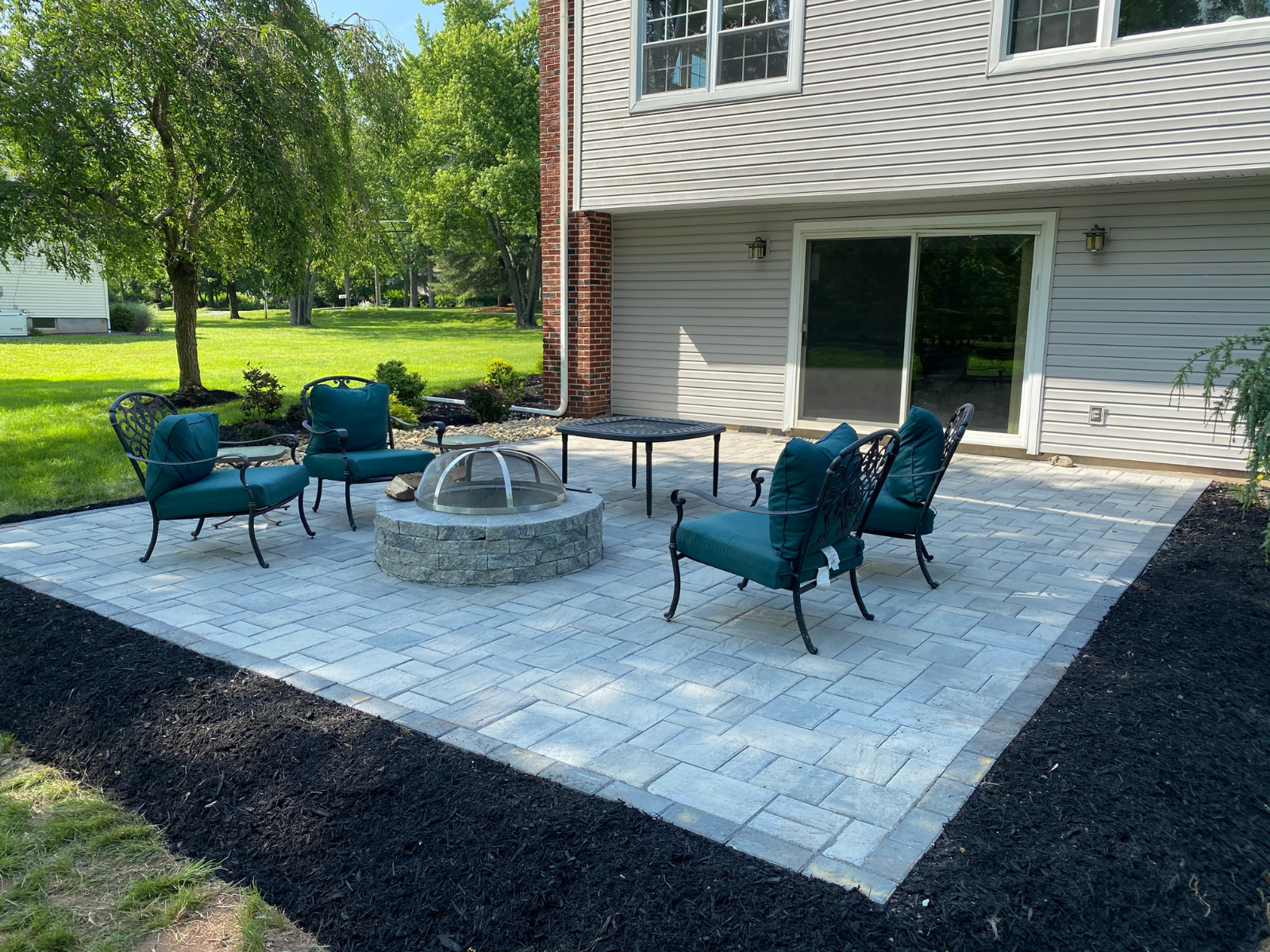
Fire features create gathering spots and extend seasonal use of outdoor spaces. Fire pits encourage casual, social arrangements where everyone faces the center. Fireplaces create focal points and work better for spaces with defined seating areas. We handle gas line installation for convenient operation or design wood-burning features for those who prefer traditional fires.
Shade structures protect from Princeton’s summer sun and allow outdoor space use during light rain. Pergolas provide partial shade and support for climbing plants. Pavilions offer full coverage and can include ceiling fans, lighting, and even heating elements. Retractable awnings give you flexibility to adjust coverage based on weather and season.
Plant Integration and Softscape Design
Successful outdoor living spaces blend hardscape with thoughtful planting. We use shrubs and ornamental grasses to soften hard edges and create privacy screening. Container plantings add color and seasonal interest without permanent commitment. Vertical gardens on walls or fences bring greenery into smaller spaces. The goal is integration where built elements and living plants work together rather than competing for attention.